
Digitizing factory operations
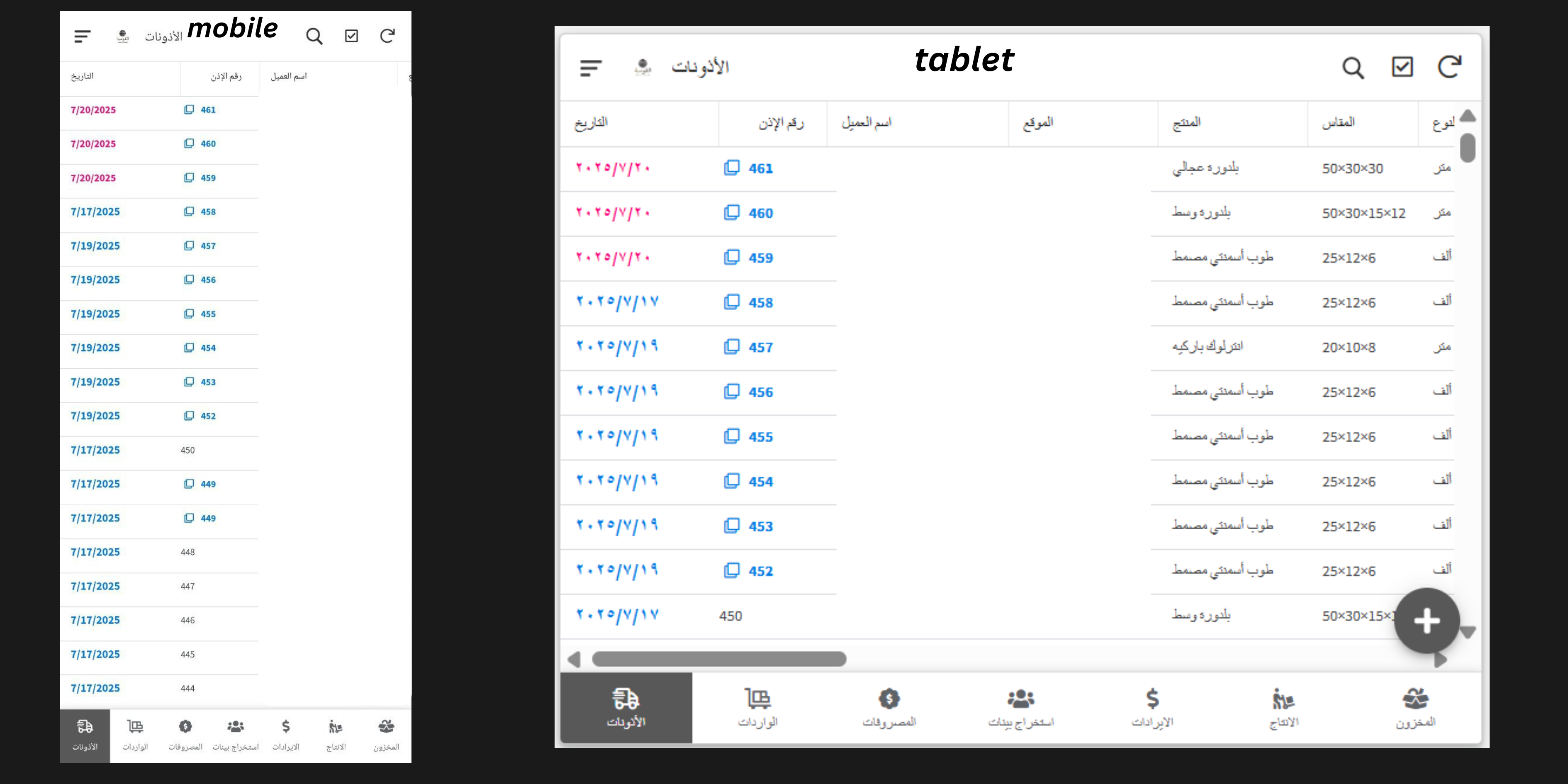
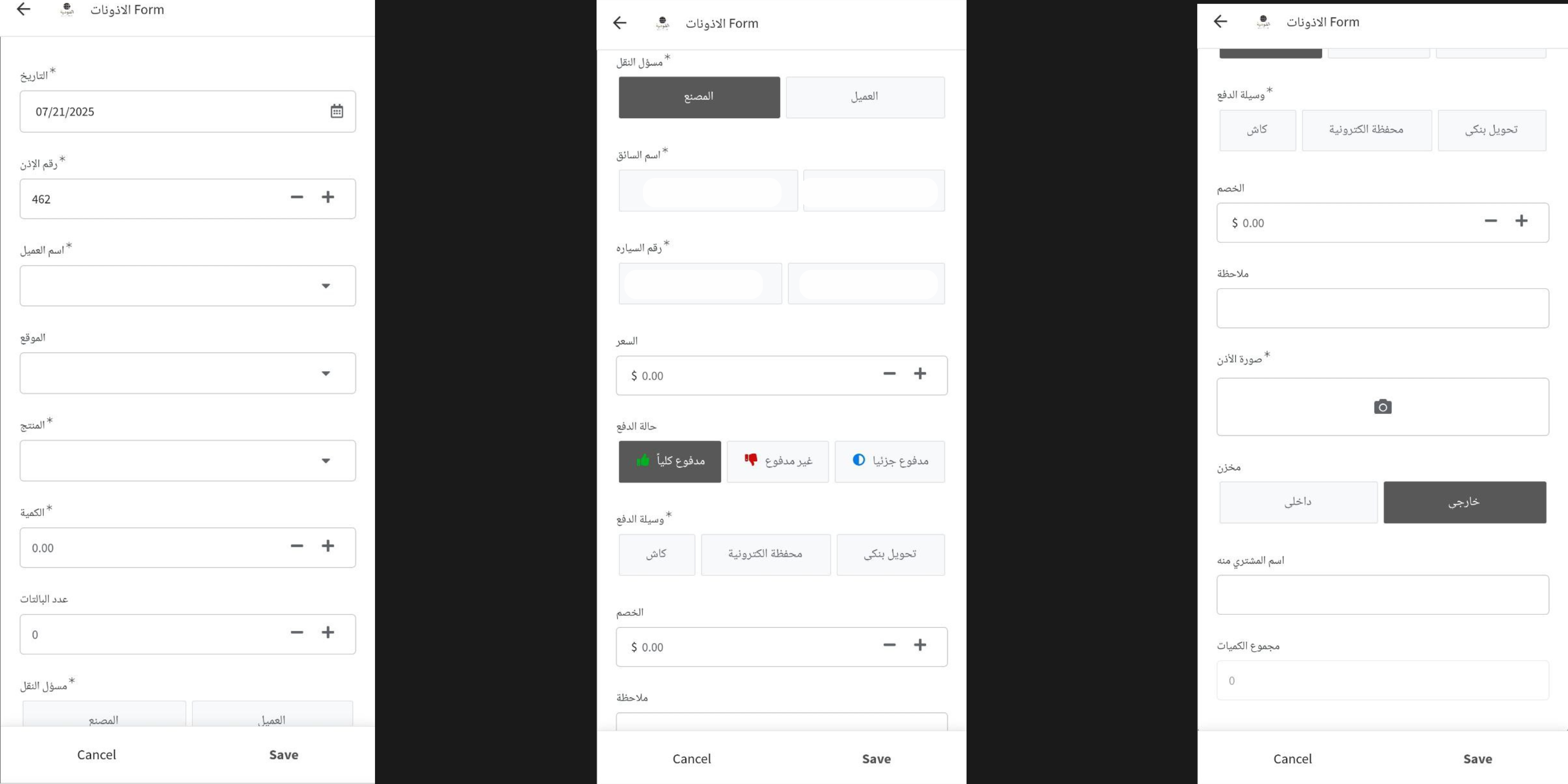
I led the design and development of a full-featured mobile and desktop app for managing accounting and operations in a manufacturing environment. The app covers everything from client data and invoicing to cost tracking, reporting, and real-time notifications.
Visit website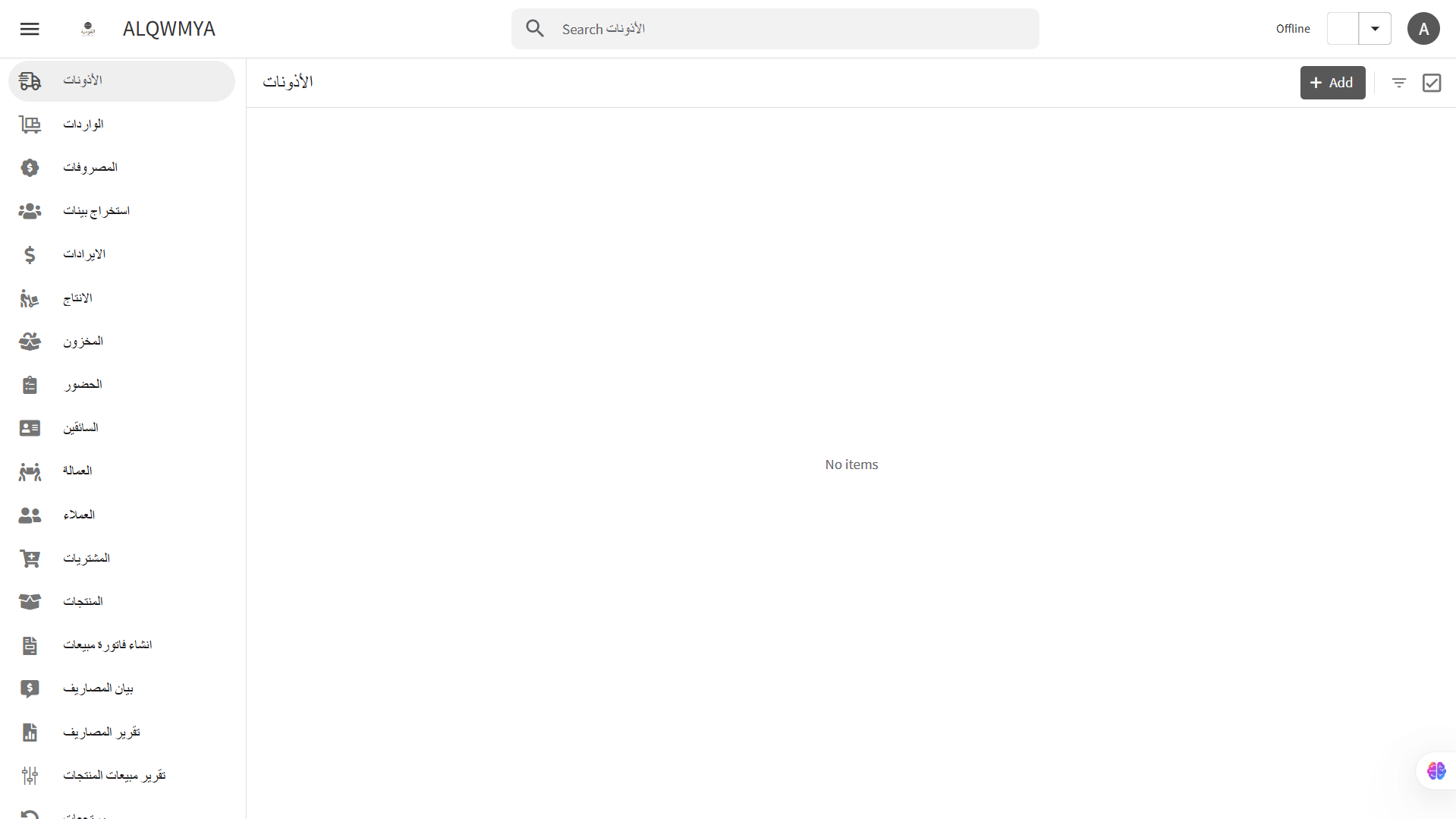
The problem
Factories often rely on scattered tools — Excel files, paper logs, or manual systems — to manage clients, sales, invoices, and expenses. There was no unified system that connects it all together while staying accessible from both phone and computer.
The solution
I designed and built a centralized system tailored for factories, allowing:
- Invoice & offer creation from any device
- Auto-sending documents to clients via email & Telegram
- Detailed reports on client history, expenses, income, and cost tracking
- Staff roles, notifications, and user access controls
The aero design system
To streamline the design process across designers and engineers for such a large project, it was important to lay the foundations with a strong, flexible design system that could evolve during the product’s development cycle. This would inform both the aesthetics and user experience across the product itself as well as the website and marketing material.
Design system docs
A design system is useless if no one knows how to use it, so we put together a comprehensive documentation website to cover principles, ux, accessibility, and component guidelines for designers and engineers working with the system.

Motion design
Animation was a core principle in making the authoring experience a more understandable process. Elements animate in ways that indicate the cause and effect of each interaction to improve the fluidity of the overall experience.

Encouraging adaptivity
A major part of solving for collaboration was being able to visualize the learner experience in the editor. This was especially beneficial for subject matter experts and instructors need to review and give feedback on the higher level structure without having to dig through all of the adaptivity scenarios screen by screen.

An extensible plugin ecosystem usable by everyone
The most powerful aspect of the platform is the ability to create custom plugins for any content, whether it be a degree, course, lesson, screen, or interactive component. Out of the box these can be made configurable with minimal effort from developers. Learning designers can then edit everything using a common configuration interface.


Next-generation learning experiences
The flexibility of the product allowed for developers to create engaging interactive experiences as highly configurable plugins that could then be used and manipulated by learning designers.
Bringing 3D into learning
One really cool example is the 3D screen plugin. Learning designers can load any model into it and then configure camera positions to animate to for each section.
Interactivity
Learners can then be directed to specific parts of the model and shown labels. They’re also able to click and drag to orbit around and freely explore at any time.
Animation
Learning designers can pick an animation included in the model to play or loop for any section without having to use any complex animation tools.
Project outcomes
Ultimately the project was successful after Smart Sparrow and the aero platform were acquired by Pearson in 2020 to become a foundation for their next generation learning platform.